
When I describe my recent trip to Hokkaido, Japan, people often ask why I chose Hokkaido. Sometimes I reply that it was someplace new, or simply because it was there. The real answer, though, is curiosity. Having already visited Mt. Fuji, Tokyo, and Osaka, and with flights set in and out of Tokyo, I turned my attention northward. Hokkaido, the northernmost island, intrigued me. Travelogues and articles only skimmed their surface: beer tours, Sapporo noodles, Niseko skiing, and Furano flower fields. But what motivated me was not what I knew about Hokkaido, but what I didn’t know. Hokkaido was a riddle I wanted to solve. Inspired by this, I pinned a map of Japan to the wall and literally threw a dart. It landed squarely on the Lake Toyo Region, part of the Toya-Usu UNESCO Global Geopark—one of the world’s most geologically active areas.

Getting There
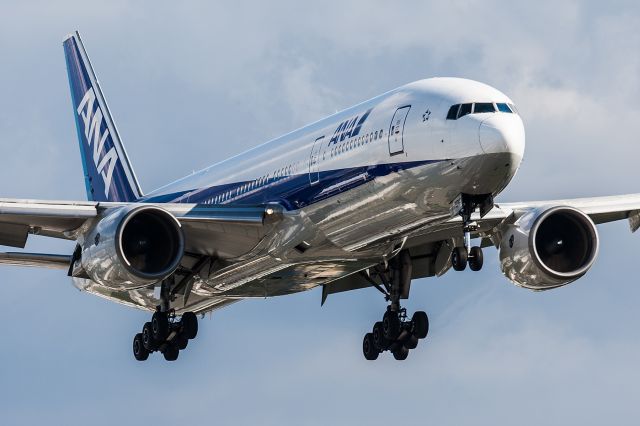
I flew out of Chicago O’Hare on a Tuesday afternoon and, 13 hours later, arrived at Tokyo’s Haneda Airport late Wednesday evening. As an aviation enthusiast, I booked a tarmac-view room at the Haneda Excel Hotel in Terminal 2, a short walk from the international arrivals hall. The room was basic, with a bed, chair, and table. All Nippon Airways operates all of its domestic flights from this terminal, so several wide-body Triple Sevens and 787s were sleeping outside my window. I set my alarm, but I didn’t really need to, because the sunrise the next morning was deafening.


Flying into New Chitose Airport in central Hokkaido, one is struck by the amazing patchwork design formed by large scale farming of grains, wheat, corn and rape seeds

Hokkaido, Japan’s northernmost island, is a powerhouse of agricultural and marine production, supplying over 13% of the nation’s food output and commanding 26% of its cultivated land. Its volcanic soil, long summer daylight, and cool climate create ideal conditions for large-scale farming and dairy operations, with over 134 cows per household on average. From fields of potatoes, onions, and sugar beets to experimental plots of asparagus and wasabi, Hokkaido’s agricultural diversity is matched only by its quality. The island’s coastline—12.5% of Japan’s total—supports a thriving seafood industry, yielding prized cold-water species like salmon, scallops, and sea urchin.

This abundance culminates in the legendary Yubari King melon, a cantaloupe cultivated in volcanic ash and auctioned for luxury prices. While record-breaking bids have reached ¥3.2 million (approximately $38,000), the average pair sells for around ¥1 million ($6,200–$7,000), symbolizing Hokkaido’s transformation from coal capital to culinary icon
Lake Toya Nonokaze Resort. A Journey of Wind, Water, and Memory
When I arrived at Lake Toya Resort, I was greeted not just by architecture and scenery, but by poetry – The first page of the resort’s brochure sets the tone with its prologue:

This is the beginning of your journey.A place where wind, water, and memory converge, inviting you to pause and rediscover yourself.”

Steven Philips for DestinationPoints.com
When I arrived at Lake Toya Resort, I was greeted not just by architecture and scenery, but by poetry – The first page of the resort’s brochure sets the tone with its prologue:
“This is the beginning of your journey. A place where wind, water, and memory converge, inviting you to pause and rediscover yourself.”
Like so many aspects of Japanese life, architecture, cuisine, and artistry are not merely adjacent—they are inseparably woven, often indistinguishable in their expression. While certain customs may appear conservative or unfamiliar through a Western lens, Japan reveals a quietly sophisticated taste in music, design, and leisure. From vinyl LP listening stations featuring jazz legends like Sonny Rollins and Miles Davis to glass-enclosed smoking lounges with curated ambiance, every detail is considered, every experience intentional.


Farm to Table Freshness
/

Rich blessings nurtured by the fertile land surrounding Lake Toya, a caldera lake;
rich in minerals, providing the perfect condition for growing vibrant vegetables, premium farm products nurtured on vast lands, and fresh seafood from Funka Bay.
Come experience this confluence of artistry and culinary expertise as you savor dishes generously crafted with these local ingredients. Experience Nonokaze Chefs’ heartfelt hospitality and cuisine, dedicated to the art of local production for local consumption.


🛏️ Guest Rooms: The Nono-Ka Club
The Nono-Ka Club rooms offer elevated comfort with spacious layouts and panoramic lake views. Designed for premium relaxation, they blend natural textures with modern amenities, ideal for couples or solo travelers seeking quietude.
💧 Club Tower Private Onsen Rooms
Select suites in the Club Tower offer in-room open-air onsen baths with direct views of Lake Toya. These private baths are ideal for couples or guests seeking solitude, and are available exclusively to overnight guests. The mineral-rich waters are piped directly from the local geothermal source, ensuring authenticity and therapeutic value.
Booking Tip: These rooms are limited and often reserved in advance, especially during


There is an infinity pool on the rooftop with superb views of the Nakashima Islands and Lake Toya.